Beginner’s Guide to Starting a Homestead
Jeff Davis | https://fieldtofeast.com
 0
0 0
0 0
0 0
0 0
0
There’s a moment when a person realizes they want more than a grocery cart and a monthly bill. Maybe it comes after a hard winter storm knocks the power out, or after one too many bland tomatoes from a store shelf. Maybe it comes sitting in a deer stand at first light, hearing the woods wake up and remembering that food used to come from land, skill, and patience. That’s where homesteading starts for a lot of folks—not with perfection, and not with a hundred acres, but with a pull toward a more capable life.
If you’re new to this world, take a breath. Starting a homestead does not mean you need to quit your job, build a cabin by hand, and become fully self-sufficient by fall. A good homestead grows the way an oak does: slow, strong, and rooted in the right ground. The trick is to begin where you are, use what you have, and learn the skills that matter most first.
What Homesteading Really Means
At its core, homesteading is about producing more of what you need and wasting less of what you have. That may mean growing a garden, canning green beans, raising chickens, learning to hunt deer, foraging berries in season, or simply getting serious about cooking from scratch. Some homesteads sit on rural acreage. Others work out of a backyard in town. The size matters less than the mindset.
A beginner’s guide to starting a homestead should tell the truth: this life is rewarding, but it asks something from you. You’ll trade convenience for competence. You’ll make mistakes. You’ll lose a crop to bugs, build something twice, and discover that livestock don’t care about weekends. But you’ll also learn what real food tastes like, what your hands can do, and how satisfying it is to put a meal on the table that came from your own effort.
Start With Your Reason
Before you buy fencing, seed packets, or a pressure canner, get clear on why you want a homestead. Some folks want food security. Some want cleaner food for their family. Others are drawn to the independence that comes from knowing how to garden, preserve meat, or bring home wild game. Your reason will shape your decisions, and it will keep you steady when the work piles up in July heat or January mud.
When I talk to beginners, I tell them not to chase the picture-perfect version of homestead life. Chasing an image will wear you out. Build around a purpose instead. If your goal is to put more food on the table, a productive garden and a chest freezer may matter more than fancy outbuildings. If your goal is resilience, then water storage, food preservation, and practical skills deserve your first dollars.
Choose the Right Land, or Use the Land You Have
A lot of people get hung up on acreage. Truth is, you can learn nearly every basic homesteading skill on a small piece of ground. A quarter acre can hold raised beds, herbs, a compost pile, and a few hens where local laws allow. If you do have the chance to buy land, look beyond the pretty view. Pay attention to water, soil, drainage, sun exposure, access, and the condition of any existing structures. Those details will matter every day.
Good soil can save you years of frustration. Reliable water is worth more than a scenic hilltop that stays dry in August. Southern exposure helps with gardens, and a spot sheltered from hard wind can make a difference for animals and fruit trees. Walk land after rain if you can. Mud tells the truth. So does the summer sun.
Don’t Overbuild in the Beginning
One mistake beginners make is trying to set up everything at once. A giant garden, multiple livestock species, fruit trees, meat birds, bees, and canning season all in the same year is enough to sour a person on the whole idea. Start with the systems that give the best return for your time. Usually that means a manageable garden, simple food storage, and maybe chickens once you’ve settled into a routine.
Build Skills Before Expanding
Homesteading rewards skill more than spending. A person with a hoe, good seed, and some know-how can outproduce someone with expensive equipment and no plan. Learn how to start seeds, improve soil, rotate crops, and keep weeds under control before you double the garden. Learn how to butcher a chicken cleanly before you raise fifty. Learn how to can safely before harvest season buries you in tomatoes.
If you hunt, you already understand part of this. Success in the field rarely comes from rushing around. It comes from reading sign, knowing the season, paying attention to wind, and being patient enough to let the woods teach you. Homesteading works much the same way. Observe first. Act second. Then adjust.
Plant a Garden That Feeds You
The garden is where many homesteads begin, and for good reason. It teaches timing, weather, soil, pests, and the value of persistence. For a beginner, the smartest garden is not the biggest one. It’s the one you can keep weeded, watered, and harvested. Grow what you actually eat. Potatoes, beans, tomatoes, onions, squash, lettuce, herbs, and peppers are common for a reason—they earn their keep in the kitchen.
Think in terms of meals, not just crops. A row of green beans is side dishes for summer and jars for winter. Tomatoes become sandwiches, sauces, salsa, and soup. Potatoes store well and pull more weight than delicate crops that need constant attention. If you’re serious about food to table meals, choose plants that fit your cooking habits and your climate.
Soil health should be your first investment. Compost, mulch, and steady organic matter will do more for a garden than gimmicks ever will. Healthy soil holds water better, grows stronger plants, and helps reduce the swing between feast and famine that discourages beginners.
Learn to Preserve What You Produce
Growing food is only half the job. If you want a working homestead, you need a way to carry the harvest forward. Canning, dehydrating, fermenting, freezing, and cool storage all have their place. Start with one or two methods and get comfortable. Freezing is simple and useful, especially for meat and vegetables. Water bath canning works for jams, jellies, and acidic foods. Pressure canning opens the door to low-acid vegetables, broth, and meat.
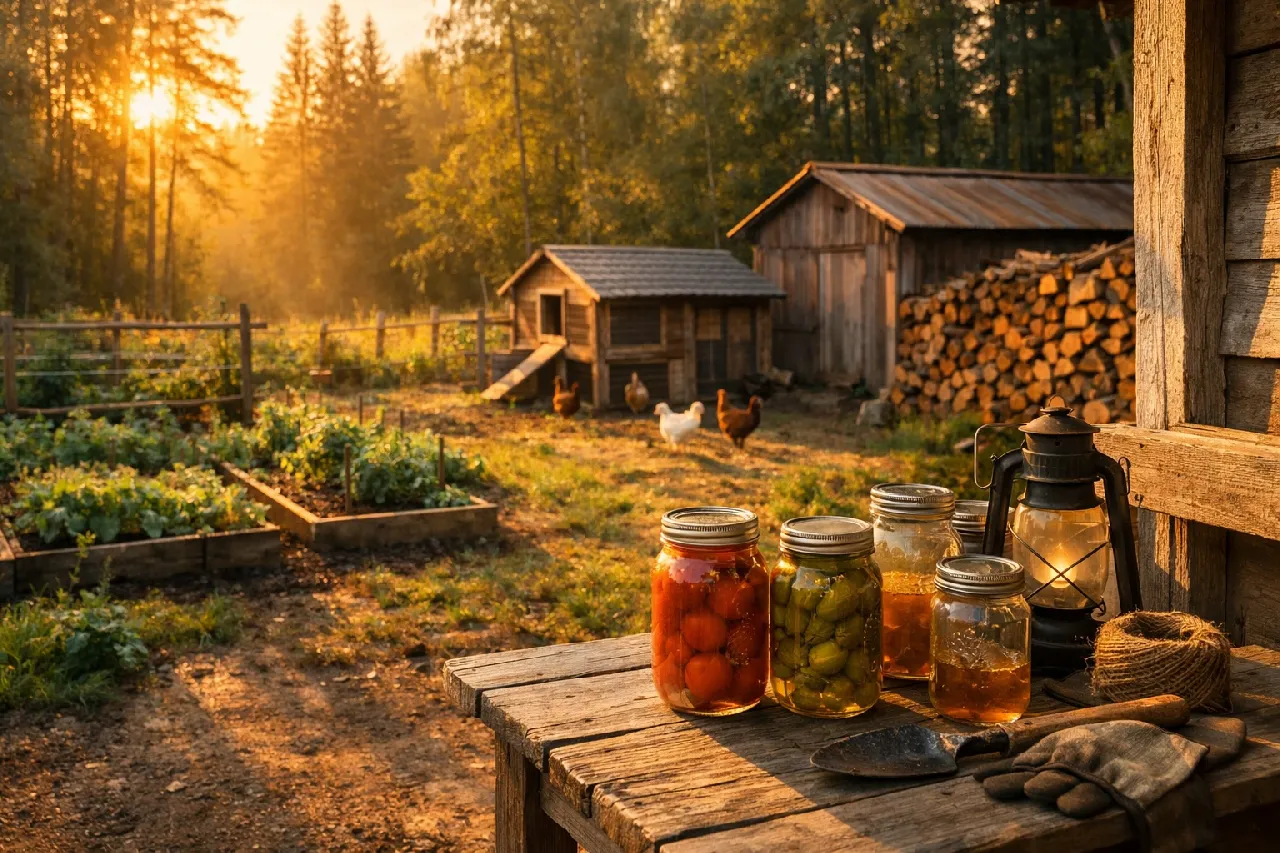
There’s a deep kind of satisfaction in opening a jar of summer tomatoes while frost is on the ground. The same goes for venison chili pulled from the pantry or a freezer full of fish and game put up right. Preservation is where the labor of one season feeds the next, and it’s one of the biggest steps toward practical self-reliance.
Consider Livestock Carefully
Animals can add a lot to a homestead, but they also tie you down fast. Chickens are often the best place to start because they offer eggs, manure for compost, and a manageable learning curve. Even then, they need predator protection, clean water, feed, and daily attention. If you’re already stretched thin, adding animals too soon can turn a good plan into a burden.
Larger livestock raise the stakes. Goats test fences. Pigs demand strong pens and a plan for feed. Cattle require infrastructure, handling knowledge, and pasture management. There’s no shame in waiting until your land, budget, and routine are ready. A strong small homestead beats a chaotic big one every time.
Use Hunting, Fishing, and Foraging Wisely
For folks drawn to a food-based lifestyle, wild harvest matters. Hunting, fishing, and foraging can put excellent meat and seasonal foods on the table, but they should be approached with respect and local knowledge. Learn your regulations, know your species, and never forage anything you can’t identify with confidence. Wild food is one of the great gifts of this life, but it rewards humility more than bravado.
Venison, squirrel, rabbit, wild turkey, panfish, berries, mushrooms, and edible greens can all help round out a homegrown diet. They also deepen your understanding of the land around you. A good hunter notices mast years, water movement, bedding cover, and animal patterns. That same eye will help you read a homestead—where frost settles, where pests come in, where the soil stays rich, and where the wind cuts hardest.
Prepare for Setbacks
Every homestead gets tested. Drought shows up. Predators find the coop. A late frost blackens the beans. A pressure canner gasket fails when the kitchen is already hot and crowded. Expect some rough patches, because expecting them keeps you from quitting over normal trouble.
Build margin where you can. Keep extra seed. Store feed dry. Have backup water options. Learn basic repair skills. Put aside a little money for the problems you know are coming and the ones you don’t. Self-reliance isn’t about never needing anything. It’s about being ready enough that trouble doesn’t knock you flat.
Keep Records and Pay Attention
A notebook may not seem like much, but it can save you seasons of repeated mistakes. Write down planting dates, varieties, first frost, pest issues, butchering yields, and what your family actually ate. A homestead improves faster when memory gets backed up by observation. It’s not glamorous, but neither is dragging a hose through a failed crop because you forgot what worked last year.
Make the Homestead Fit Your Life
The best homestead plan is one you can sustain. If you work full time off the property, build systems that match your schedule. That may mean fewer animals, more mulch in the garden, and preserving food on weekends in batches. If you have young kids, involve them in chores that teach without overwhelming. If you’re older, focus on efficiency, perennial food plants, and setups that save your back.
There’s wisdom in shaping the work around the season of life you’re in. Homesteading is not a race, and it does not need to look like anyone else’s place to be worthwhile. If your family eats better, your pantry grows fuller, and your skills get sharper each year, then you’re doing it right.
Start Small, Then Grow Strong
If I had to give one piece of advice to anyone interested in learning homesteading, gardening, foraging, survival tips, and food to table living, it would be this: start small enough to succeed. Success breeds momentum. A well-kept little garden teaches more than an overgrown acre. A few full shelves in the pantry beat grand plans and empty jars. One deer processed cleanly and used well means more than talking about self-sufficiency without ever sharpening a knife.
Starting a homestead is less about escaping modern life and more about recovering old skills that still matter. It’s about knowing where your food comes from and taking responsibility for more of it yourself. It’s early mornings, dirty hands, and supper that tastes better because some part of it came from your own ground, your own woods, or your own labor.
Begin with what’s in front of you. Plant something. Preserve something. Learn one new skill this season and another the next. In time, the place changes, and so do you. That’s the real reward of homesteading. It doesn’t just fill the pantry. It builds a steadier kind of person.
If you’re new to this world, take a breath. Starting a homestead does not mean you need to quit your job, build a cabin by hand, and become fully self-sufficient by fall. A good homestead grows the way an oak does: slow, strong, and rooted in the right ground. The trick is to begin where you are, use what you have, and learn the skills that matter most first.
What Homesteading Really Means
At its core, homesteading is about producing more of what you need and wasting less of what you have. That may mean growing a garden, canning green beans, raising chickens, learning to hunt deer, foraging berries in season, or simply getting serious about cooking from scratch. Some homesteads sit on rural acreage. Others work out of a backyard in town. The size matters less than the mindset.
A beginner’s guide to starting a homestead should tell the truth: this life is rewarding, but it asks something from you. You’ll trade convenience for competence. You’ll make mistakes. You’ll lose a crop to bugs, build something twice, and discover that livestock don’t care about weekends. But you’ll also learn what real food tastes like, what your hands can do, and how satisfying it is to put a meal on the table that came from your own effort.
Start With Your Reason
Before you buy fencing, seed packets, or a pressure canner, get clear on why you want a homestead. Some folks want food security. Some want cleaner food for their family. Others are drawn to the independence that comes from knowing how to garden, preserve meat, or bring home wild game. Your reason will shape your decisions, and it will keep you steady when the work piles up in July heat or January mud.
When I talk to beginners, I tell them not to chase the picture-perfect version of homestead life. Chasing an image will wear you out. Build around a purpose instead. If your goal is to put more food on the table, a productive garden and a chest freezer may matter more than fancy outbuildings. If your goal is resilience, then water storage, food preservation, and practical skills deserve your first dollars.
Choose the Right Land, or Use the Land You Have
A lot of people get hung up on acreage. Truth is, you can learn nearly every basic homesteading skill on a small piece of ground. A quarter acre can hold raised beds, herbs, a compost pile, and a few hens where local laws allow. If you do have the chance to buy land, look beyond the pretty view. Pay attention to water, soil, drainage, sun exposure, access, and the condition of any existing structures. Those details will matter every day.
Good soil can save you years of frustration. Reliable water is worth more than a scenic hilltop that stays dry in August. Southern exposure helps with gardens, and a spot sheltered from hard wind can make a difference for animals and fruit trees. Walk land after rain if you can. Mud tells the truth. So does the summer sun.
Don’t Overbuild in the Beginning
One mistake beginners make is trying to set up everything at once. A giant garden, multiple livestock species, fruit trees, meat birds, bees, and canning season all in the same year is enough to sour a person on the whole idea. Start with the systems that give the best return for your time. Usually that means a manageable garden, simple food storage, and maybe chickens once you’ve settled into a routine.
Build Skills Before Expanding
Homesteading rewards skill more than spending. A person with a hoe, good seed, and some know-how can outproduce someone with expensive equipment and no plan. Learn how to start seeds, improve soil, rotate crops, and keep weeds under control before you double the garden. Learn how to butcher a chicken cleanly before you raise fifty. Learn how to can safely before harvest season buries you in tomatoes.
If you hunt, you already understand part of this. Success in the field rarely comes from rushing around. It comes from reading sign, knowing the season, paying attention to wind, and being patient enough to let the woods teach you. Homesteading works much the same way. Observe first. Act second. Then adjust.
Plant a Garden That Feeds You
The garden is where many homesteads begin, and for good reason. It teaches timing, weather, soil, pests, and the value of persistence. For a beginner, the smartest garden is not the biggest one. It’s the one you can keep weeded, watered, and harvested. Grow what you actually eat. Potatoes, beans, tomatoes, onions, squash, lettuce, herbs, and peppers are common for a reason—they earn their keep in the kitchen.
Think in terms of meals, not just crops. A row of green beans is side dishes for summer and jars for winter. Tomatoes become sandwiches, sauces, salsa, and soup. Potatoes store well and pull more weight than delicate crops that need constant attention. If you’re serious about food to table meals, choose plants that fit your cooking habits and your climate.
Soil health should be your first investment. Compost, mulch, and steady organic matter will do more for a garden than gimmicks ever will. Healthy soil holds water better, grows stronger plants, and helps reduce the swing between feast and famine that discourages beginners.
Learn to Preserve What You Produce
Growing food is only half the job. If you want a working homestead, you need a way to carry the harvest forward. Canning, dehydrating, fermenting, freezing, and cool storage all have their place. Start with one or two methods and get comfortable. Freezing is simple and useful, especially for meat and vegetables. Water bath canning works for jams, jellies, and acidic foods. Pressure canning opens the door to low-acid vegetables, broth, and meat.
There’s a deep kind of satisfaction in opening a jar of summer tomatoes while frost is on the ground. The same goes for venison chili pulled from the pantry or a freezer full of fish and game put up right. Preservation is where the labor of one season feeds the next, and it’s one of the biggest steps toward practical self-reliance.
Consider Livestock Carefully
Animals can add a lot to a homestead, but they also tie you down fast. Chickens are often the best place to start because they offer eggs, manure for compost, and a manageable learning curve. Even then, they need predator protection, clean water, feed, and daily attention. If you’re already stretched thin, adding animals too soon can turn a good plan into a burden.
Larger livestock raise the stakes. Goats test fences. Pigs demand strong pens and a plan for feed. Cattle require infrastructure, handling knowledge, and pasture management. There’s no shame in waiting until your land, budget, and routine are ready. A strong small homestead beats a chaotic big one every time.
Use Hunting, Fishing, and Foraging Wisely
For folks drawn to a food-based lifestyle, wild harvest matters. Hunting, fishing, and foraging can put excellent meat and seasonal foods on the table, but they should be approached with respect and local knowledge. Learn your regulations, know your species, and never forage anything you can’t identify with confidence. Wild food is one of the great gifts of this life, but it rewards humility more than bravado.
Venison, squirrel, rabbit, wild turkey, panfish, berries, mushrooms, and edible greens can all help round out a homegrown diet. They also deepen your understanding of the land around you. A good hunter notices mast years, water movement, bedding cover, and animal patterns. That same eye will help you read a homestead—where frost settles, where pests come in, where the soil stays rich, and where the wind cuts hardest.
Prepare for Setbacks
Every homestead gets tested. Drought shows up. Predators find the coop. A late frost blackens the beans. A pressure canner gasket fails when the kitchen is already hot and crowded. Expect some rough patches, because expecting them keeps you from quitting over normal trouble.
Build margin where you can. Keep extra seed. Store feed dry. Have backup water options. Learn basic repair skills. Put aside a little money for the problems you know are coming and the ones you don’t. Self-reliance isn’t about never needing anything. It’s about being ready enough that trouble doesn’t knock you flat.
Keep Records and Pay Attention
A notebook may not seem like much, but it can save you seasons of repeated mistakes. Write down planting dates, varieties, first frost, pest issues, butchering yields, and what your family actually ate. A homestead improves faster when memory gets backed up by observation. It’s not glamorous, but neither is dragging a hose through a failed crop because you forgot what worked last year.
Make the Homestead Fit Your Life
The best homestead plan is one you can sustain. If you work full time off the property, build systems that match your schedule. That may mean fewer animals, more mulch in the garden, and preserving food on weekends in batches. If you have young kids, involve them in chores that teach without overwhelming. If you’re older, focus on efficiency, perennial food plants, and setups that save your back.
There’s wisdom in shaping the work around the season of life you’re in. Homesteading is not a race, and it does not need to look like anyone else’s place to be worthwhile. If your family eats better, your pantry grows fuller, and your skills get sharper each year, then you’re doing it right.
Start Small, Then Grow Strong
If I had to give one piece of advice to anyone interested in learning homesteading, gardening, foraging, survival tips, and food to table living, it would be this: start small enough to succeed. Success breeds momentum. A well-kept little garden teaches more than an overgrown acre. A few full shelves in the pantry beat grand plans and empty jars. One deer processed cleanly and used well means more than talking about self-sufficiency without ever sharpening a knife.
Starting a homestead is less about escaping modern life and more about recovering old skills that still matter. It’s about knowing where your food comes from and taking responsibility for more of it yourself. It’s early mornings, dirty hands, and supper that tastes better because some part of it came from your own ground, your own woods, or your own labor.
Begin with what’s in front of you. Plant something. Preserve something. Learn one new skill this season and another the next. In time, the place changes, and so do you. That’s the real reward of homesteading. It doesn’t just fill the pantry. It builds a steadier kind of person.


View all 0 comments