
Cistern Well
Posted 01/18/2026
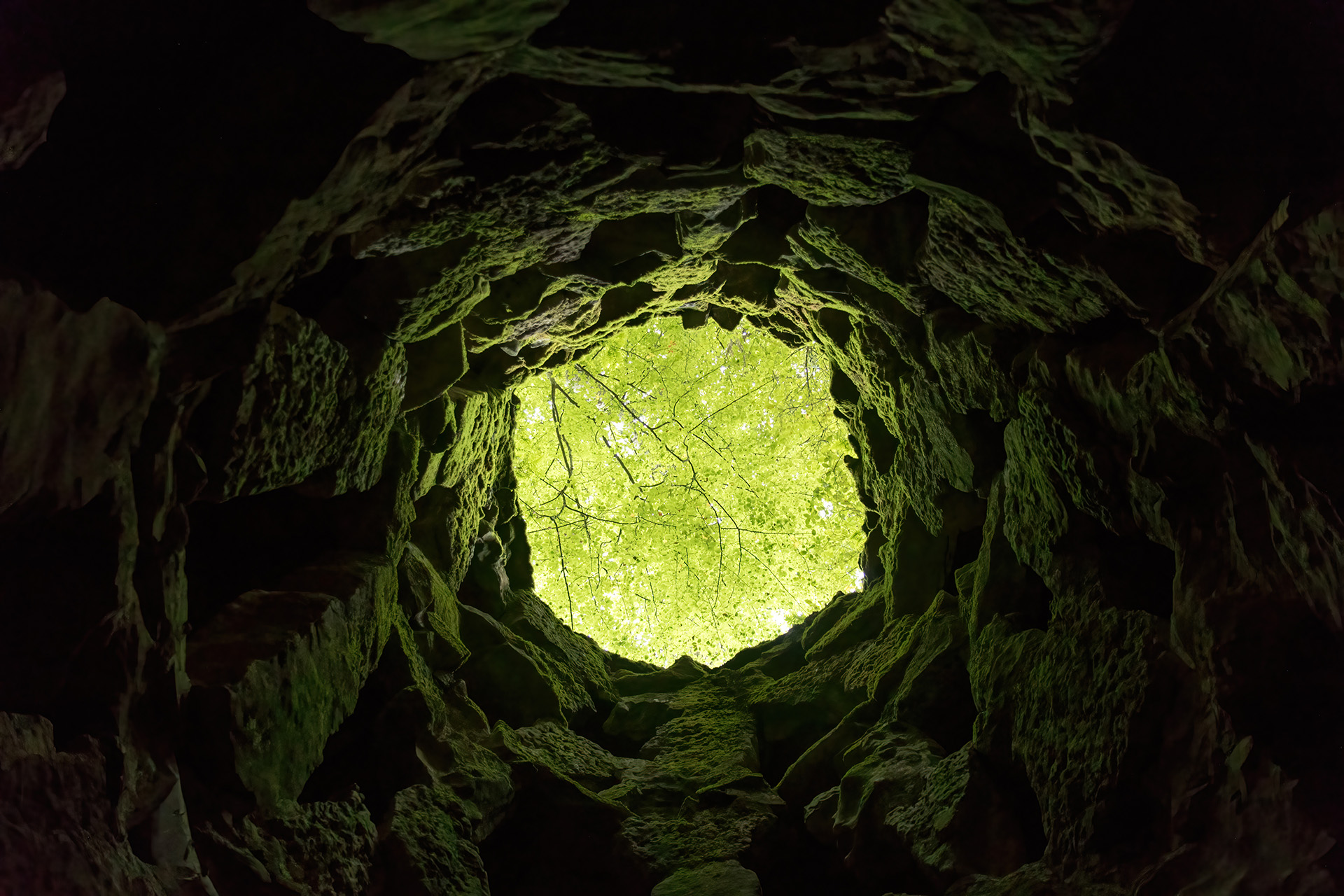
A cistern well is a man-made water storage system designed to collect and hold water, most commonly rainwater, rather than drawing water from an underground aquifer like a traditional well. Historically, cistern wells were widely used on homesteads, farms, and in arid regions where groundwater was scarce or unreliable. They are often underground or partially buried to keep water cool and reduce evaporation, which is why many people mistake them for true wells. The key distinction is that a cistern does not naturally refill from the earth—it only contains the water you put into it.
Building a cistern well yourself starts with choosing a location and deciding on size. A good site is downhill from a collection surface, such as a roof or rock face, and far from contamination sources like septic systems or livestock areas. Cisterns can range from small 200-gallon tanks to multi-thousand-gallon underground chambers. Materials vary widely: modern cisterns are often made from plastic or fiberglass tanks, while traditional ones were built from stone, brick, or poured concrete lined with waterproof mortar.
Construction typically involves excavating a pit, setting the cistern structure in place, and sealing it to prevent leaks and contamination. An underground cistern is usually lined or tanked, covered with a solid lid, and backfilled with soil for insulation. Water is routed into the cistern through gutters or channels, often passing through a basic debris filter to keep leaves and sediment out. An overflow outlet is important so excess water can escape safely during heavy rain without damaging the structure.
Once built, a cistern well needs ongoing maintenance and water treatment. Sediment will settle at the bottom over time and should be cleaned periodically. Because cistern water is exposed to environmental contaminants, it should always be filtered and disinfected before drinking—commonly by boiling, chemical treatment, or proper filtration systems. When built and maintained correctly, a cistern well can be a reliable, low-tech water solution for off-grid living, emergency preparedness, or long-term survival situations where traditional wells aren’t practical.
Building a cistern well yourself starts with choosing a location and deciding on size. A good site is downhill from a collection surface, such as a roof or rock face, and far from contamination sources like septic systems or livestock areas. Cisterns can range from small 200-gallon tanks to multi-thousand-gallon underground chambers. Materials vary widely: modern cisterns are often made from plastic or fiberglass tanks, while traditional ones were built from stone, brick, or poured concrete lined with waterproof mortar.
Construction typically involves excavating a pit, setting the cistern structure in place, and sealing it to prevent leaks and contamination. An underground cistern is usually lined or tanked, covered with a solid lid, and backfilled with soil for insulation. Water is routed into the cistern through gutters or channels, often passing through a basic debris filter to keep leaves and sediment out. An overflow outlet is important so excess water can escape safely during heavy rain without damaging the structure.
Once built, a cistern well needs ongoing maintenance and water treatment. Sediment will settle at the bottom over time and should be cleaned periodically. Because cistern water is exposed to environmental contaminants, it should always be filtered and disinfected before drinking—commonly by boiling, chemical treatment, or proper filtration systems. When built and maintained correctly, a cistern well can be a reliable, low-tech water solution for off-grid living, emergency preparedness, or long-term survival situations where traditional wells aren’t practical.